
Streaming and Partial Prerendering in React

Modern React applications are rarely slow because they render too much HTML. They’re slow because different parts of the page depend on data that becomes available at different times. Traditional Server-Side Rendering treats all of that data as a single blocking step, even when large portions of the UI could be shown much earlier. This […]
Isolates & Background Workers in Flutter: Managing Concurrency for API-Heavy Apps
As Flutter apps grow in complexity, they often need to handle multiple tasks at the same time — API calls, data parsing, file processing, and background sync. If not managed properly, these operations can slow down the UI or even cause app freezes. This is where Isolates and Background Workers play a crucial role. They […]
Alerting Strategy in Grafana: Burn-Rates, Quiet Windows & Feature-Flagged Notifications

If you’ve ever been on call for a production system, you know a harsh truth: most alerts are useless—not because systems are fine, but because the alerts are wrong. Teams often start with simple thresholds like CPU > 80% or error rate > 5%. At first, it works, but as systems grow, alerts become noisy, […]
Multi-Tenant SaaS on Django: Row-Level Security and Sharded Schemas
Multi-tenancy is a core architectural requirement for modern SaaS platforms. As applications scale to serve multiple customers from a single codebase, ensuring secure data isolation, scalability, and operational efficiency becomes critical. Django, with its mature ORM, middleware support, and extensible database layer, provides strong foundations for building multi-tenant systems when the right architectural patterns are […]
Designing Maintainable GitHub Actions Workflows: Modularity, Reuse, and Marketplace Actions
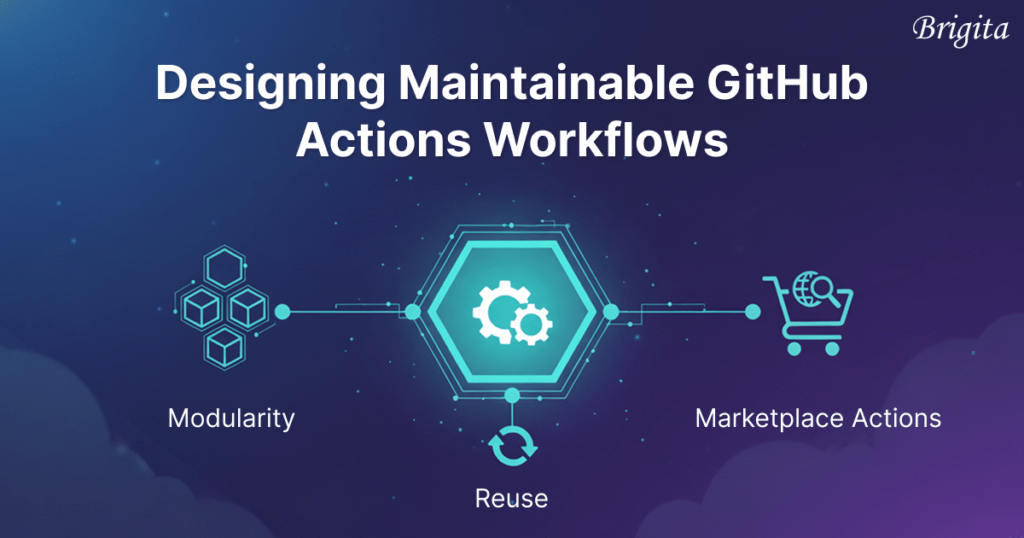
In the early stages of a software project, automation feels like a superpower. A few lines of YAML can automatically test, build, and deploy code within minutes. However, as teams scale and microservices multiply, this initial simplicity often turns into a maintenance challenge. Many engineering teams—especially fast-growing ones—struggle with what is commonly known as YAML […]
Flutter Apps in Production: Structuring API Calls, Error Handling, and Caching
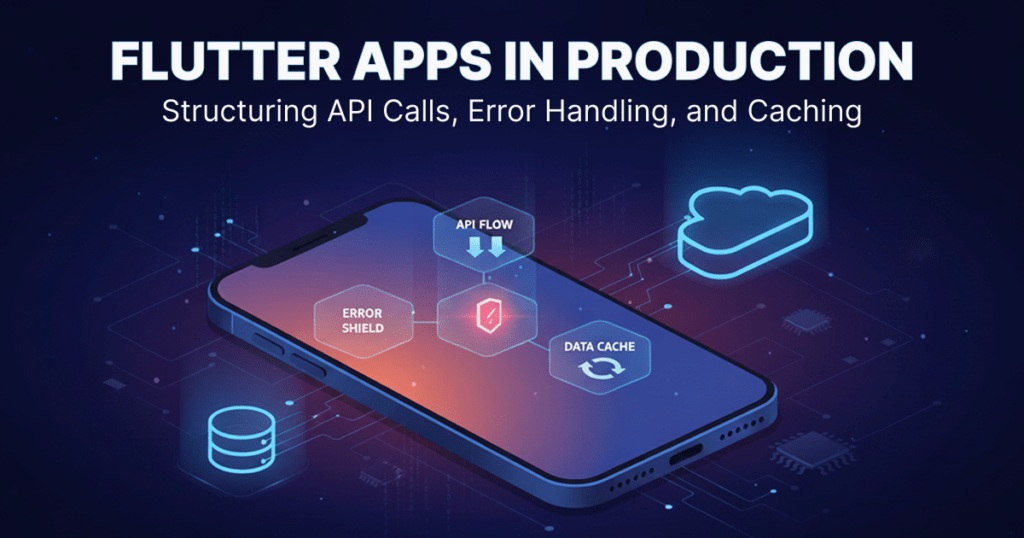
Building a Flutter app is one thing — running it reliably in production is another. Once real users, real data, and real network issues come into play, app stability becomes critical. To ensure smooth performance, Flutter apps in production must be built with clean API structures, robust error handling, and efficient caching strategies. These elements […]
API Response Normalization for Angular Interceptors and Reactive Forms
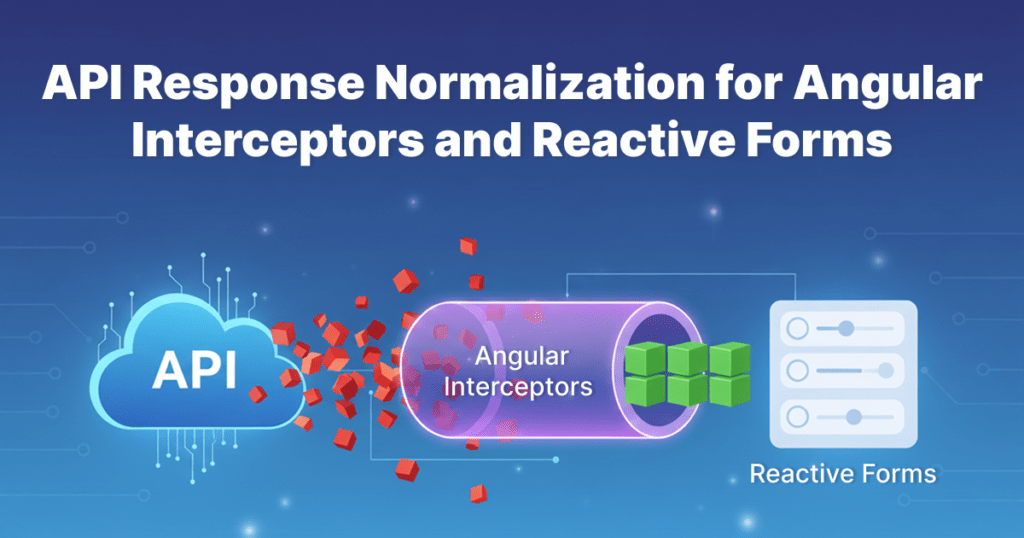
Backend APIs evolve. Teams add fields, rename properties, ship partial responses, or wrap payloads in different envelopes depending on the endpoint. In a small app, you can “just handle it in the component.” In a real Angular codebase, that approach quietly becomes a tax you pay forever: every screen ends up with defensive checks, one-off […]
Building Offline-First Flutter Apps in 2025: Impeller, Isolates, and Drift
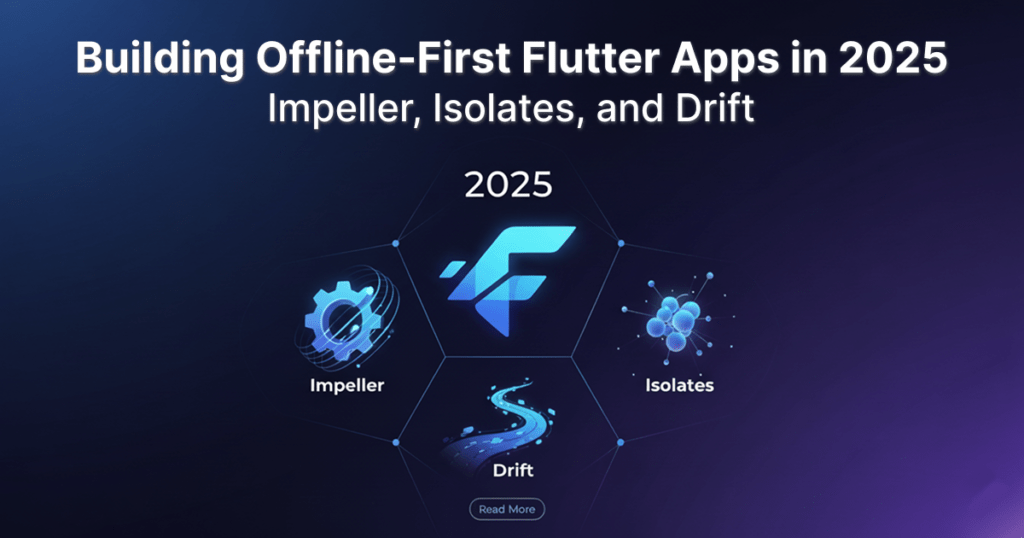
In 2025, offline-first architecture has become the expected standard for mobile applications—not just a nice-to-have. Users expect apps to remain functional in low-connectivity environments, synchronize seamlessly when online, and feel smooth regardless of device constraints. Flutter, now powered by Impeller, brings new rendering stability and performance improvements to the table. Combined with isolates for parallel […]
React.js – From Redux to Signals/Stores: Migrating Complex State Without Rewrites
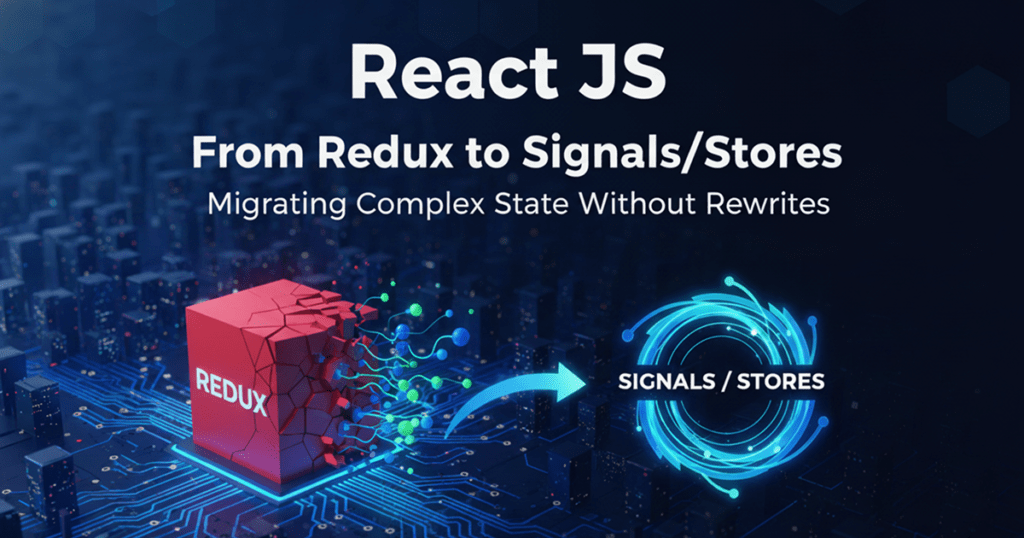
If you’ve worked on a React app that has survived more than one product manager and at least two redesigns, chances are there’s a big Redux store quietly sitting at the center of it. You know the pattern: A single store wired up in index.js. A pile of reducers stitched together with combineReducers. Action types […]
Building Multi-Tenant SaaS on Django: Tenant Schemas, Row-Level Security & Billing
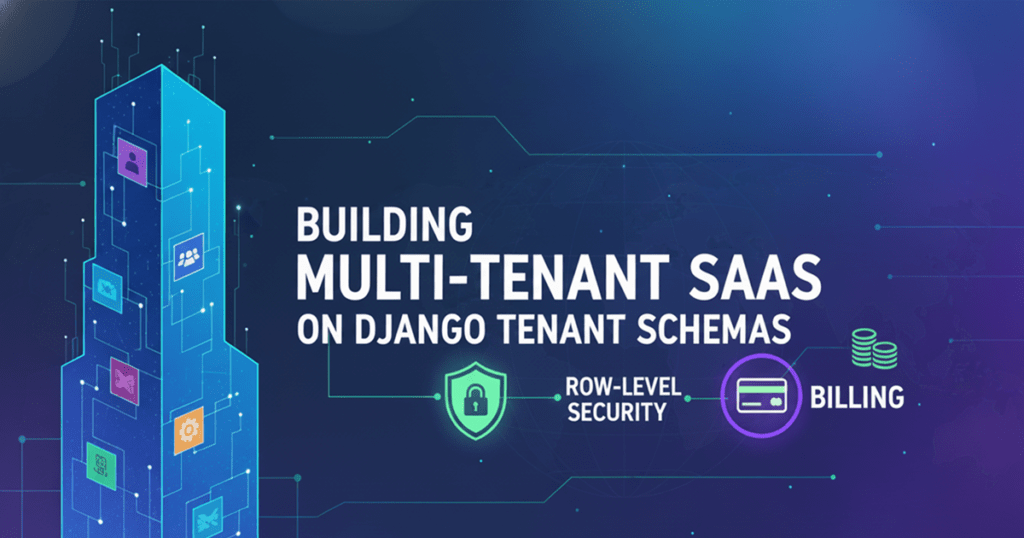
In the rapidly evolving world of cloud-based software, multi-tenancy has become a foundational architectural requirement. Software-as-a-Service platforms today must accommodate hundreds or even thousands of customers on shared infrastructure, while still providing airtight data isolation, configurable access controls, seamless onboarding, and a smooth operational experience. Django, a robust and battle-tested web framework, is highly capable […]