
Why U.S. Businesses Are Turning to Nockpoint for Unified Data & BI

In today’s competitive U.S. market, data is everywhere — but clarity is rare. Companies collect information from CRMs, finance systems, marketing platforms, and operational tools, yet leadership teams still struggle […]
Modern Authentication in Django REST Framework: OIDC, JWT, and 2FA Integration
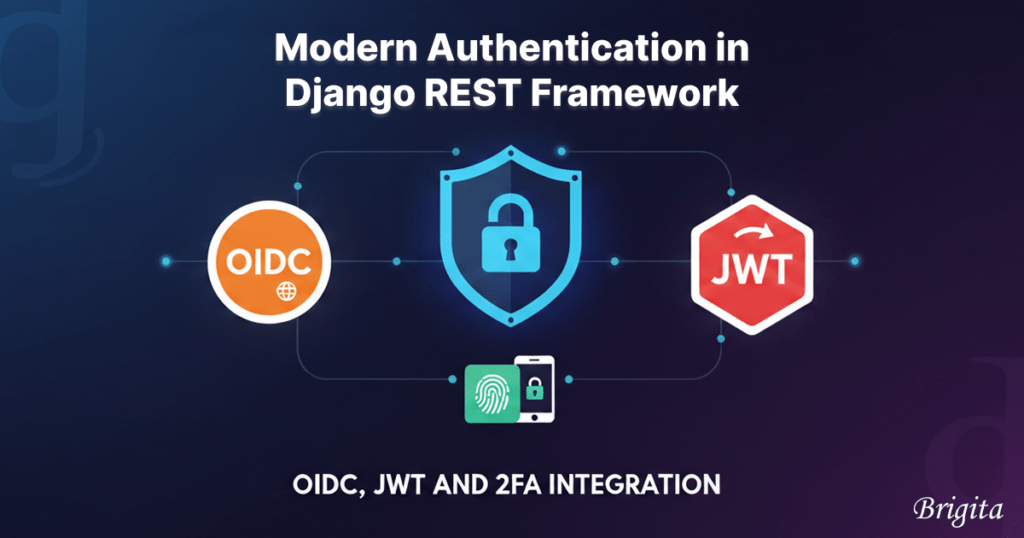
In today’s fast-growing digital ecosystem, Modern Authentication in Django REST Framework is essential for building secure, scalable, and high-performance applications. From SaaS platforms and enterprise portals to fintech systems and […]
Designing Maintainable GitHub Actions Workflows
GitHub Actions workflows can quickly become complex, so it’s crucial to make them modular, reusable, and secure. In practice, this means breaking down your CI/CD Pipelines into shared, parameterized components […]
From CRUD to CQRS: Transitioning a Django Monolith into Event-Driven Application Architecture
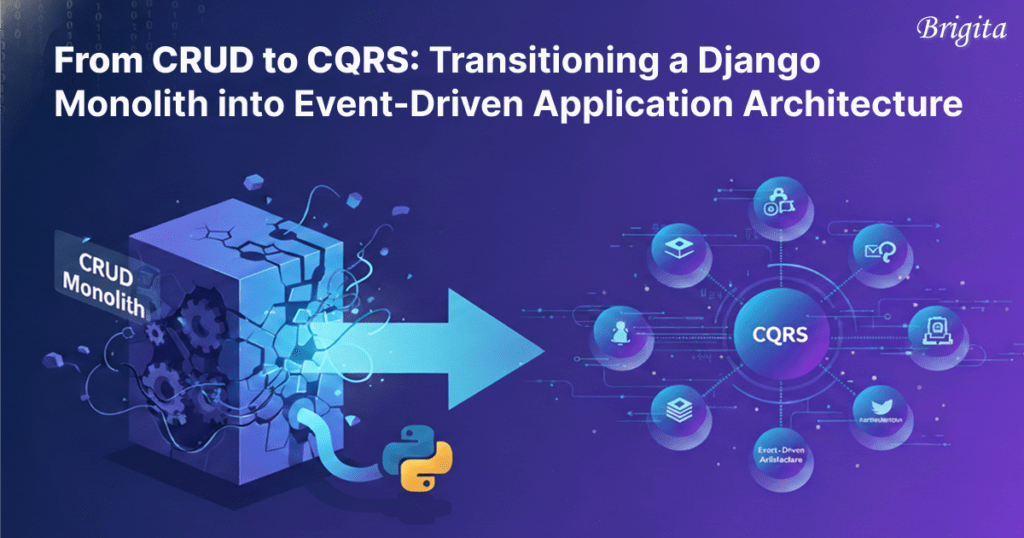
The growth of any successful application inevitably brings both excitement and architectural challenges. For many Django developers, the journey often begins with a comfortable CRUD (Create, Read, Update, Delete) monolith. […]
Laravel 11 Performance Deep Dive: Queues, Jobs, and Horizon for High-Traffic APIs
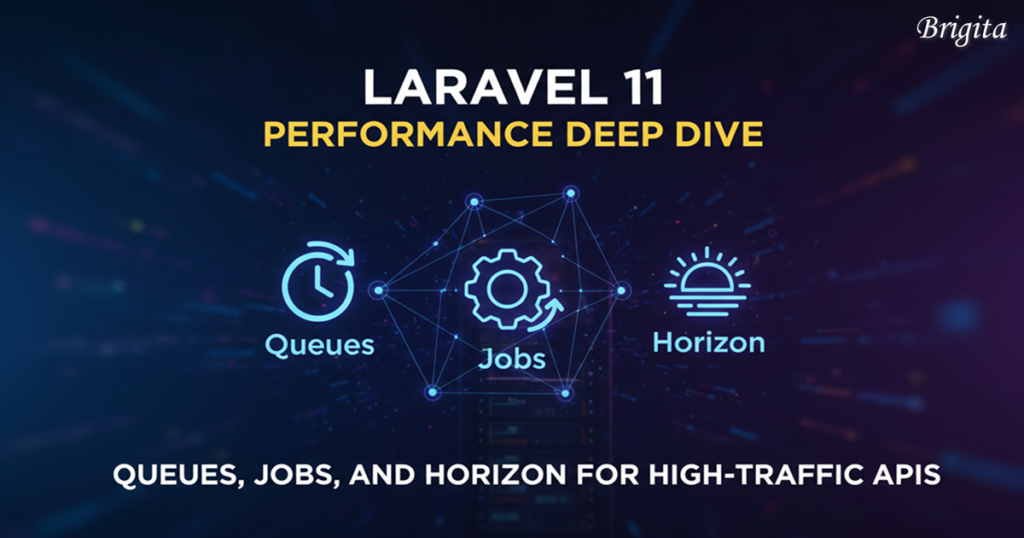
Modern APIs are no longer simple data providers. They orchestrate business workflows, trigger AI pipelines, integrate with multiple third-party platforms, and serve users across geographies in real time. In this […]
Streaming and Partial Prerendering in React

Modern React applications are rarely slow because they render too much HTML. They’re slow because different parts of the page depend on data that becomes available at different times. Traditional […]
Isolates & Background Workers in Flutter: Managing Concurrency for API-Heavy Apps
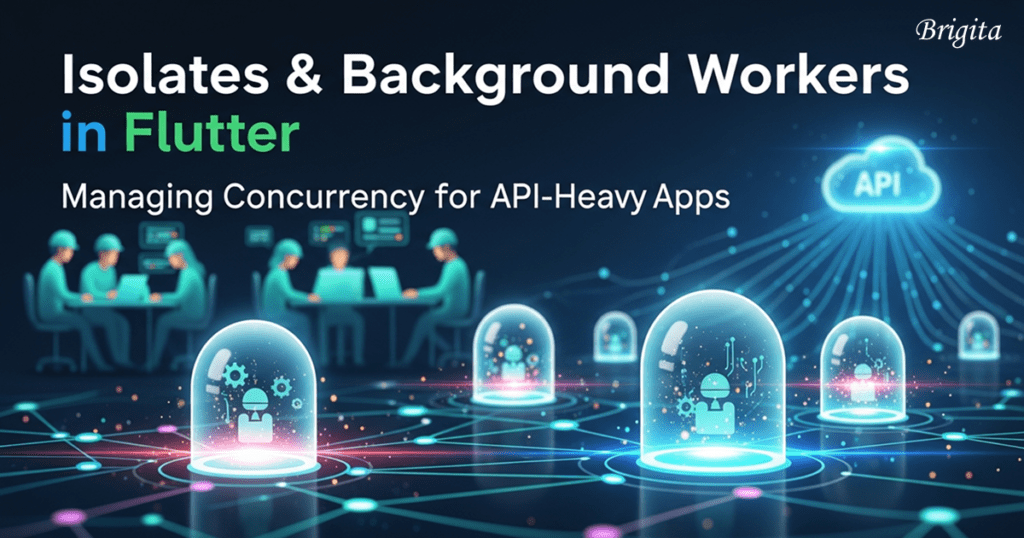
As Flutter apps grow in complexity, they often need to handle multiple tasks at the same time — API calls, data parsing, file processing, and background sync. If not managed […]
Alerting Strategy in Grafana: Burn-Rates, Quiet Windows & Feature-Flagged Notifications
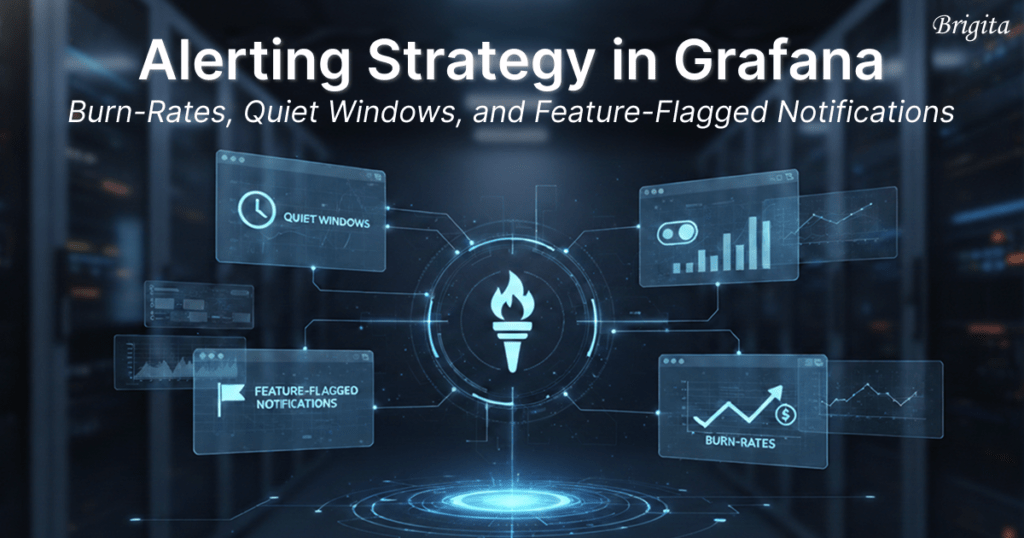
If you’ve ever been on call for a production system, you know a harsh truth: most alerts are useless—not because systems are fine, but because the alerts are wrong. Teams […]
Multi-Tenant SaaS on Django: Row-Level Security and Sharded Schemas
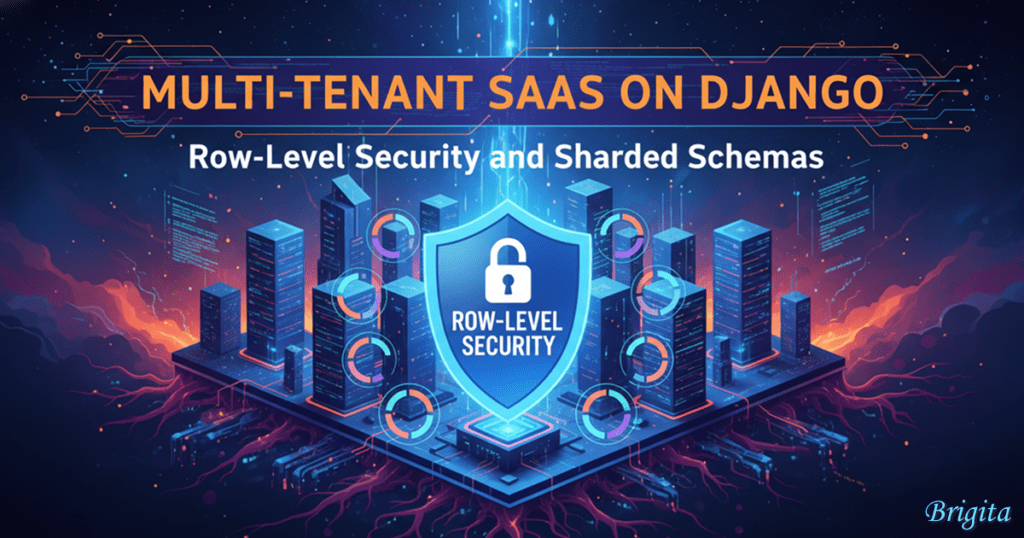
Multi-tenancy is a core architectural requirement for modern SaaS platforms. As applications scale to serve multiple customers from a single codebase, ensuring secure data isolation, scalability, and operational efficiency becomes […]
Designing Maintainable GitHub Actions Workflows: Modularity, Reuse, and Marketplace Actions
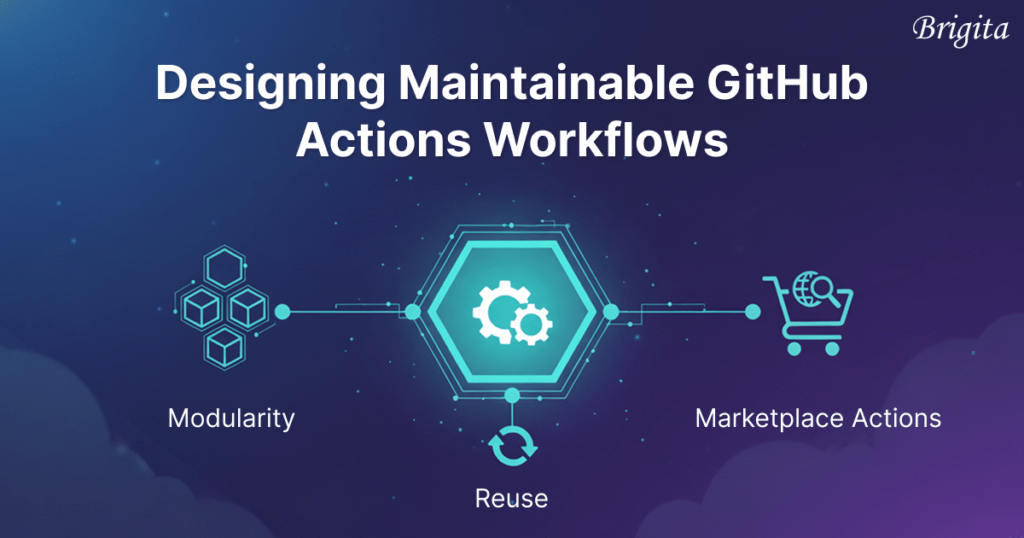
In the early stages of a software project, automation feels like a superpower. A few lines of YAML can automatically test, build, and deploy code within minutes. However, as teams […]