
The Future of Testing: GenAI-Driven Quality Engineering Explained by Brigita
Introduction In today’s digital-first world, organizations are rapidly adopting AI, cloud, and data-driven technologies to stay competitive. As applications become more complex, the need for reliable and scalable Quality Engineering Services has become critical. Businesses can no longer rely on traditional testing approaches to ensure performance, security, and seamless user experiences. At Brigita, a leading […]
Manual Test Documentation That Developers Actually Read
In fast-moving software teams, documentation often becomes the silent casualty of speed. Manual Test Documentation, in particular, is frequently viewed as tedious, outdated, or irrelevant—especially by developers who prefer reading code over documents. Yet, when written with purpose, manual test documentation can become one of the most powerful collaboration tools between QA and development. The […]
Exploratory Testing React & Angular Apps: Techniques Beyond Automated Checks

Modern web applications built with React and Angular are dynamic, component-driven, and highly interactive. While automated testing plays a crucial role in ensuring stability and regression safety, it often falls short in uncovering unexpected behaviors, usability gaps, and real-world edge cases. This is where Exploratory Testing becomes invaluable. Exploratory testing complements automation by empowering testers […]
Validating Data Integrity Across APIs, Databases, and Frontends Manually
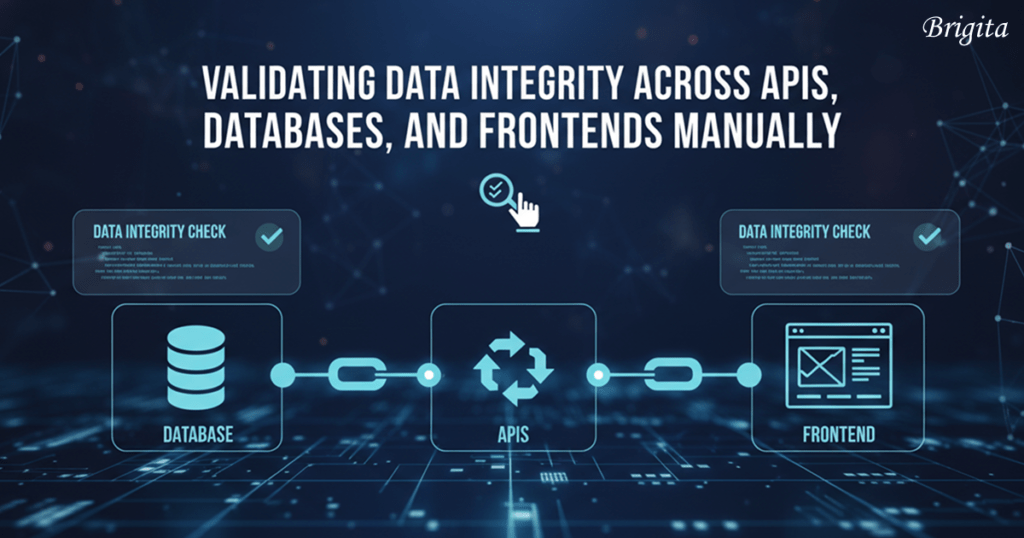
Data Integrity Validation: Ensuring Accurate and Reliable Data Across System In today’s digital applications, data flows continuously between user interfaces (UI), APIs, and databases. Any mismatch or corruption in this flow can lead to incorrect reports, security risks, and loss of user trust. This is where Data Integrity Validation plays a critical role. Data integrity […]
QA Test Coverage Spectrum: Manual Exploration to Automated Regression
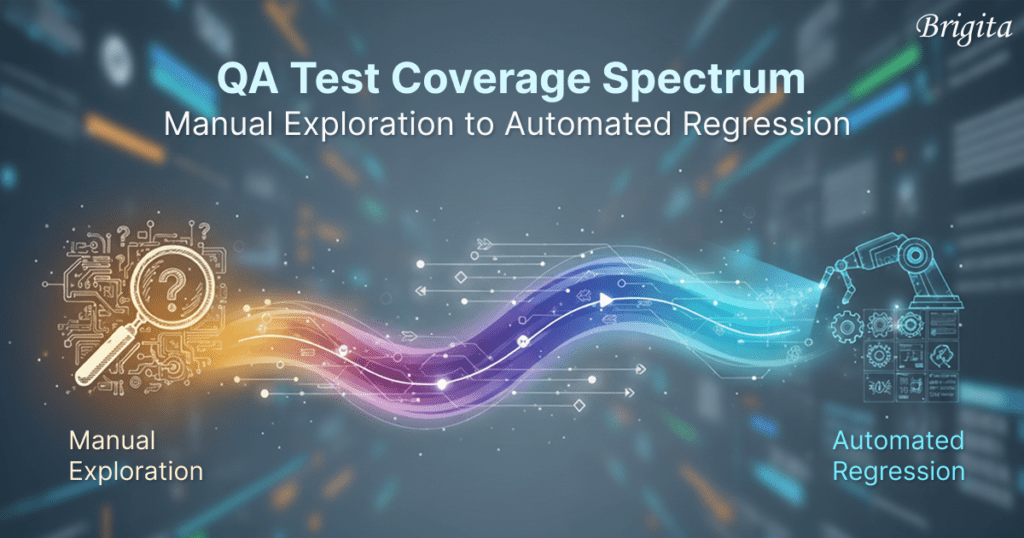
In today’s fast-paced software development landscape, ensuring quality is a critical step in delivering functional and stable applications. A key component of this is QA Test Coverage, which encompasses the scope of tests performed on a software product to ensure it meets expected behavior and functionality. But as technology advances, so do the testing strategies. […]
Verifying API Responses Manually: Using Postman, Swagger, and Charles for Accuracy

API response verification is the process of inspecting the data returned by an API to ensure it is accurate, complete, well-formed, and meets the expected functionality and security standards. This is a crucial step in API testing to confirm that the API is working as designed and to catch potential issues early in the development […]
The Art of Writing Effective Bug Reports: Clarity, Context, and Impact for Developers
In fast-paced software development environments, bug reports act as the communication bridge between users, testers, and developers. A clear, well-structured bug report can accelerate resolution time, reduce back-and-forth clarifications, and prevent costly production issues. Just like API contract testing reduces ambiguity between services, effective bug reporting reduces ambiguity between people. When crafted thoughtfully, a bug […]
Localization & Internationalization Manual Testing in Multi-Tenant SaaS Systems
In today’s global market, Multi-tenant SaaS systems serve users from different countries, languages, cultures, and regions all from a single codebase. To ensure a seamless user experience across geographies, Localization (L10n) and Internationalization (I18n) play a critical role. For QA engineers and manual testers, localization testing and internationalization testing are not just UI checks—they directly […]
Building Test Suites for GenAI Applications: Manual & Automated Strategies
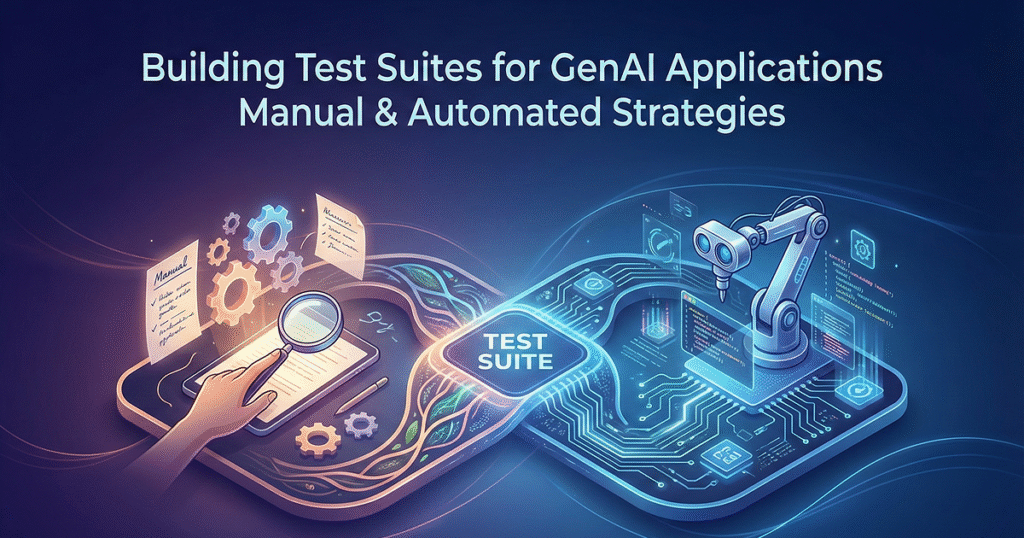
As Generative AI (GenAI) technologies rapidly evolve, they are reshaping industries through intelligent text generation, image synthesis, and autonomous decision-making. However, testing such systems presents new challenges. Unlike traditional software, where outputs are deterministic, GenAI systems produce probabilistic and context-sensitive responses. This unpredictability calls for innovative testing frameworks that combine both manual and automated approaches […]
API Contract Testing in Polyglot Environments: Ensuring Consistency from Build to Release
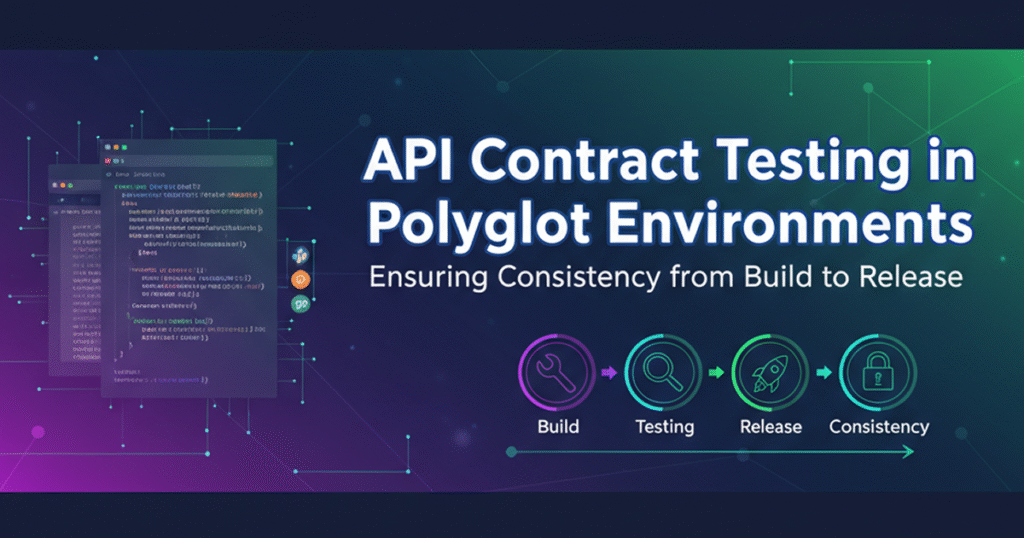
In today’s multi-language, microservices-driven world, ensuring seamless integration across diverse systems is more important than ever. Traditional integration testing often struggles when teams build services in different programming languages, deploy on varied platforms, and iterate rapidly. This is where API contract testing steps in—acting as a safeguard to ensure services agree on how they communicate, […]